“Walk as if you are kissing the Earth with your feet.”
Thich Nhat Hanh
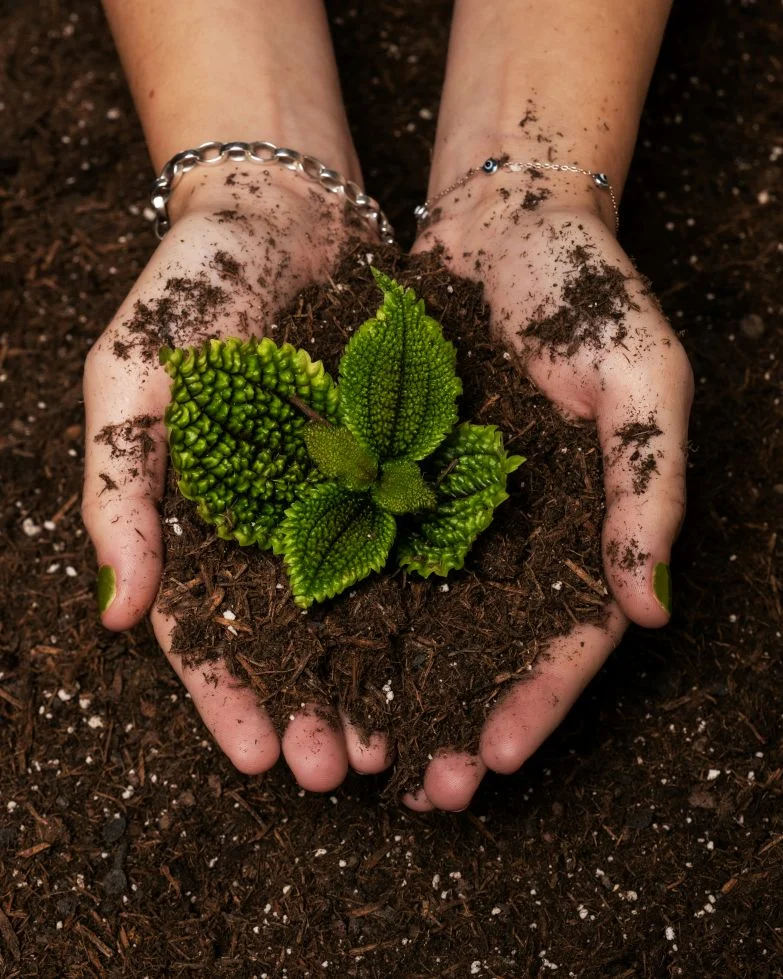
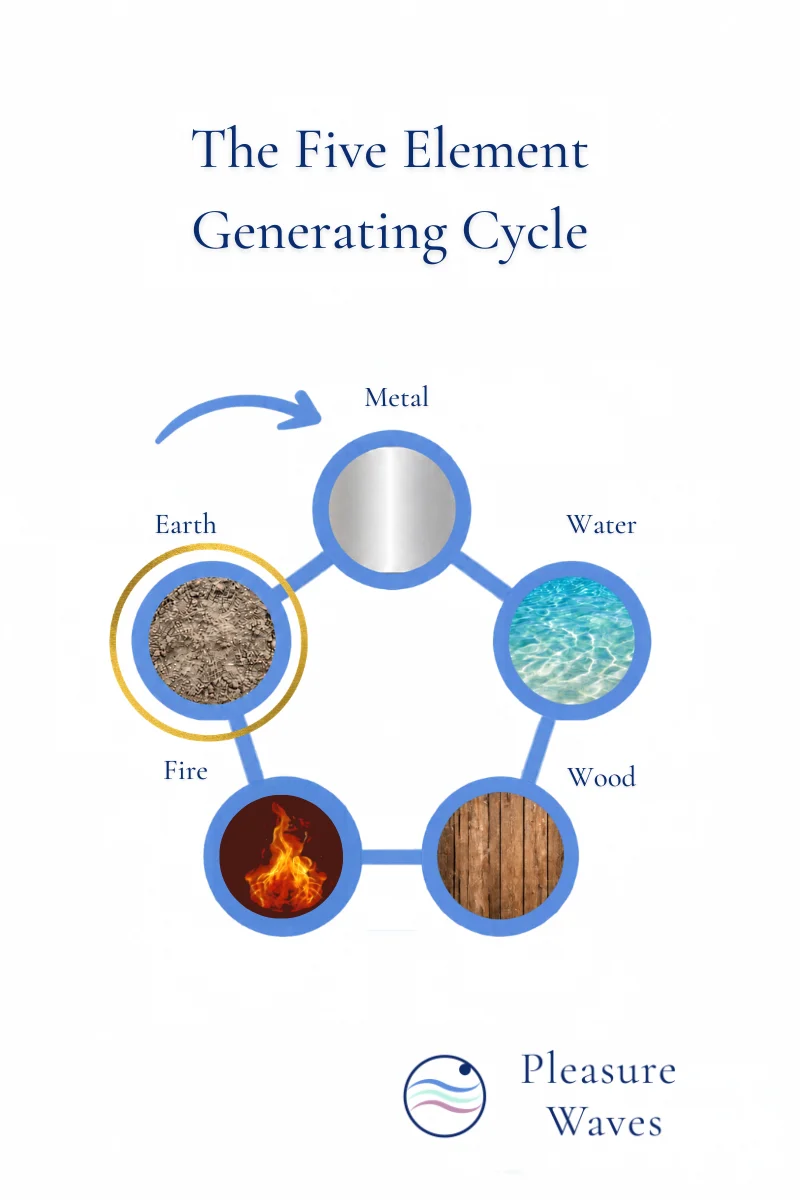
When life feels scattered, when your mind loops through the same worries or your stomach feels unsettled, it may be time to return to the Earth. In the Five Element system of Traditional Chinese Medicine (TCM), Earth is the element of the centre. It is linked to the Spleen and Stomach, the late summer season, and the qualities of nourishment, stability, and groundedness.
In my recent video, I guide you through a short Earth Element Qi Gong practice designed to help you feel rooted, strong, and calm. Here’s what you’ll be doing and why each movement fits the element.
Why the Earth Element?
In TCM theory, the Spleen and Stomach transform food into usable energy, or Qi. When Earth is balanced, you may feel nourished, steady, and clear-headed. When it is out of balance, TCM links this to fatigue, heaviness, digestive discomfort, and the emotion most associated with Earth: worry and overthinking.
Qi Gong makes no claim to replace medical care, but many people find that consistent practice of slow, grounded movement helps them feel calmer and more connected to their bodies, and that is a good place to start.
Meet the Stomach and Spleen Meridians
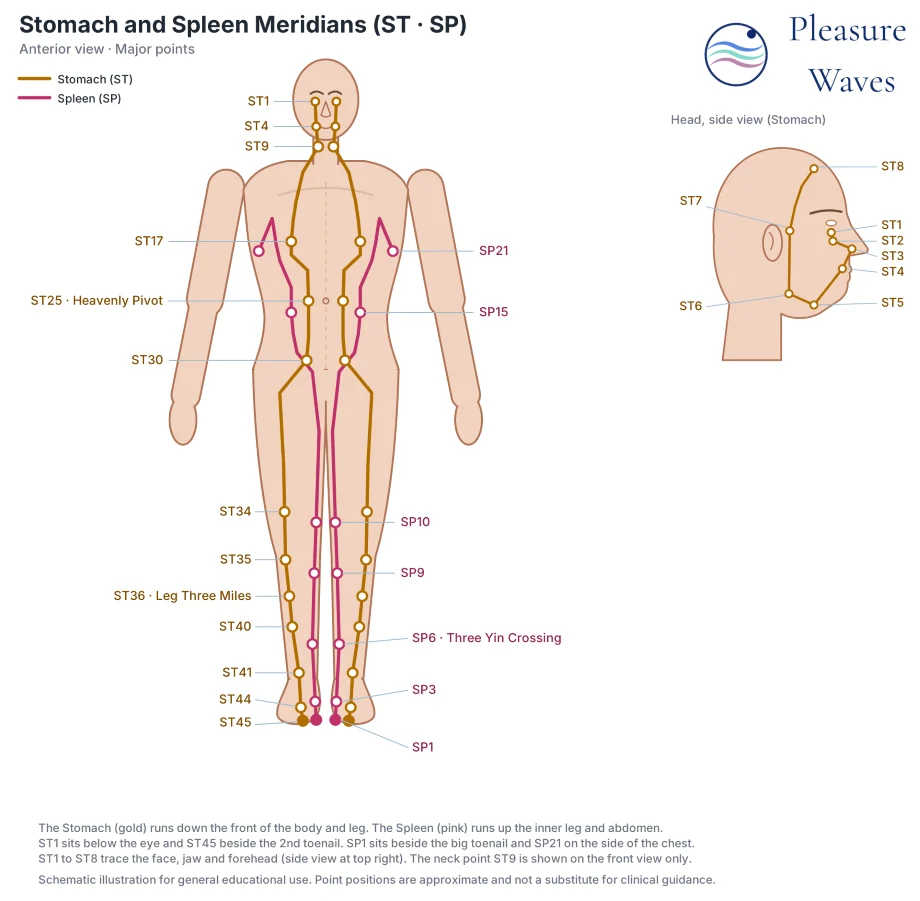
In Qi Gong, Qi is said to travel through pathways called meridians. Each organ has its own pathway, and the Earth element is served by two of them, which work as a pair.
The Stomach meridian begins on the face, just below the eye, and travels down the front of the body. It passes over the chest and abdomen, continues down the front of the thighs and shins, and ends at the outer tip of the second toe. It is a yang meridian, associated with receiving and “ripening” food.
The Spleen meridian begins at the inner edge of the big toe and travels up the inside of the foot and leg, through the lower abdomen, and up the side of the torso. It is a yin meridian, associated with transforming food into Qi and distributing it through the body.
Keeping these pathways in mind can make the practice richer. Notice how many of the movements in the accompanying video open the front of the legs and the inner thighs, exactly where these meridians run. Tradition holds that stretching, tapping, and stimulating these areas encourages the smooth flow of Qi along the Earth channels.
The Earth Element Qi Gong Practice
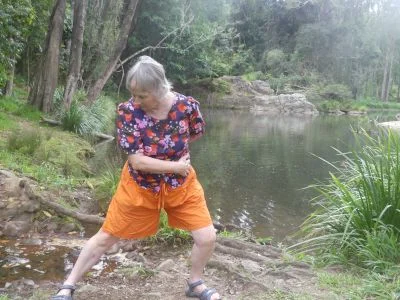
Wide-Legged Knocking on the Door of Life (with weight shift)
This movement begins in a wide stance, which builds leg strength and a stable base. As you shift your weight from side to side, you gently tap the lower back and abdomen, an area associated with vitality in Qi Gong. The rhythmic weight shift stimulates the belly and core, making it a natural fit for supporting digestion. The wide stance also stretches the inner thighs, where the Spleen meridian travels.
The Tiger (with growling)
Earth practice isn’t only gentle. The Tiger brings power into the legs and arms, and the growl is a wonderful release. Letting out a low, vibrating sound can break up tension in the chest and diaphragm, and it’s hard to stay stuck in your head while you’re growling like a tiger. The strong, grounded stance engages the front of the legs along the Stomach meridian. Expect to feel strong, and probably a little silly, in the best way.
Are you ready to play a little and let out your best growl???

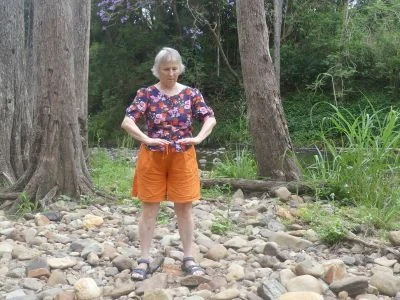
Hands to the Earth (standing posture)
This is the heart of the practice. Standing with soft knees, you settle into stillness and direct your hands toward the ground, feeling the support beneath you. This is where the Earth element’s lessons of trust, security, and receiving support become tangible. Let your breath slow down, let your weight drop into your feet, and notice how much steadier you feel. Both meridians begin or end in the toes, so this rooted stillness is a lovely time to feel your connection through the feet.
Pebble in a Pond
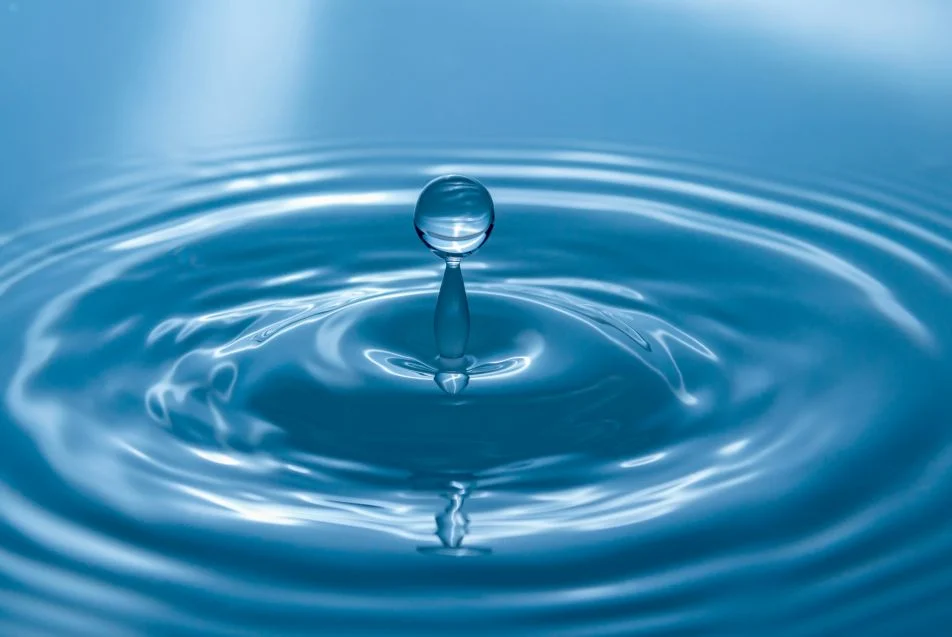
We finish with Pebble in a Pond, a soothing movement in which you imagine ripples spreading outward from your centre. It’s a lovely way to integrate everything and settle the mind. Each ripple carries away a little tension, leaving you calm and centred.
Tips for Your Practice
After the Practice
Five Element Generating Cycle
Integration and The Three Treasures