Breath is often the first point of focus in a Pleasure Waves Qi Gong class. Breath capacity is considered an indicator of longevity, and large population studies have found that lung function is a strong predictor of how long we live. It’s worth noting that lung function reflects overall health, so it’s an indicator rather than a direct cause. Lung function also declines gradually with age, so let’s explore what may influence this.
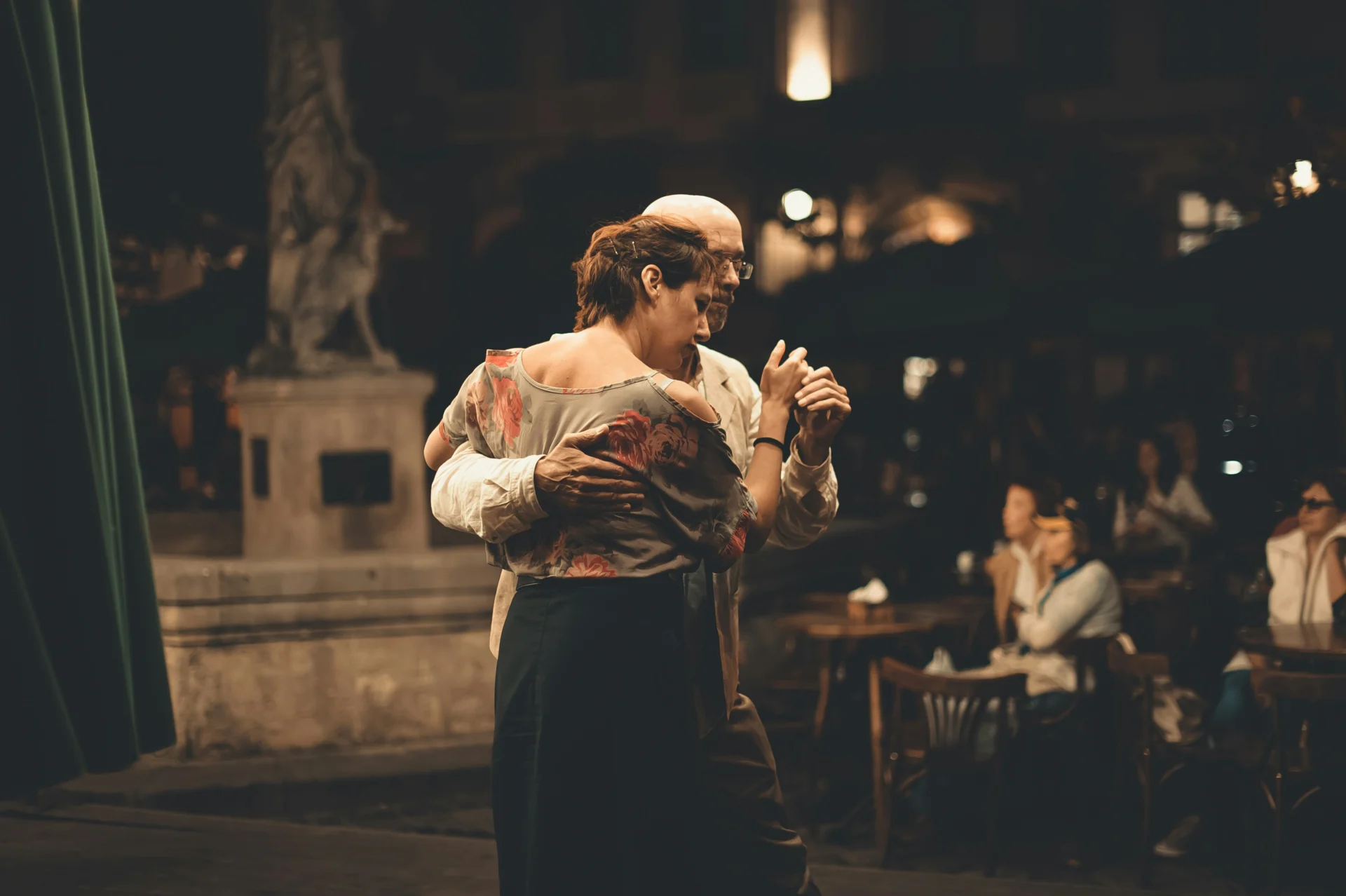
Research shows an association between low physical activity and faster decline in lung function in adults. My father is 95 and still walks regularly and spends time outdoors. He went ballroom dancing three times a week for much of his life and has always been a keen gardener.
When I am with him I have no sense of slipping into shallower breathing.
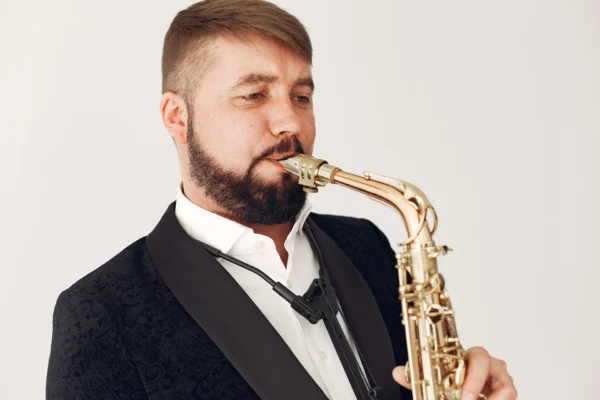
In my work as a teacher of woodwinds, I have taught many students to access the deeper part of their lungs, learning to use their lower abdominal muscles to support their breathing capacity. In Qi Gong classes too, I find this is the challenge, to feel the muscles at the back of the diaphragm. By placing their palms on either side of the spine at the bottom of their ribs practitioners eventually learn to breathe into the lower, posterior part of their lungs.
Journalist James Nestor wrote Breath: The New Science of a Lost Art (2020), a mix of reporting, history and self-experimentation, after his own struggles with breathing. One thing Nestor strongly advocates is using the nose for breathing. This aligns with the saying – “the nose is for breathing, then mouth for eating” in the majority of cases. (There are times when mouth breathing is useful, such as the release of emotional tension.) While James Nestor’s claims are sometimes regarded as controversial, my personal experience with nighttime mouth taping has been positive. By encouraging me to breathe through my nose while I sleep, it has made nasal breathing easier and improved the quality of my sleep. Mouth taping isn’t suitable for everyone, so please speak to a health professional first.

There is an interesting process called entrainment. This is where we will unconsciously fit into the patterns of other people around us. One of my mentors Donny Epstein travels the world as a healer. He has observed that Australian women are particularly shallow breathers. We may have entrained to each other. My husband explained to me that when his mother was nearing the end of her life he noticed himself matching her shallow breathing.
One of the fascinating things about breath is that it is an automatic process (under the control of the autonomic nervous system), you don’t have to think to breathe and yet you can take conscious control of your breath. This is where the opportunity lies to train the breath. (My husband would choose to consciously breathe deeper when he sat with his mother.)
When we consciously slow the breath and breathe more deeply, we naturally start to feel more calm and relaxed. Stressed breathing tends to be quicker and higher in the chest.
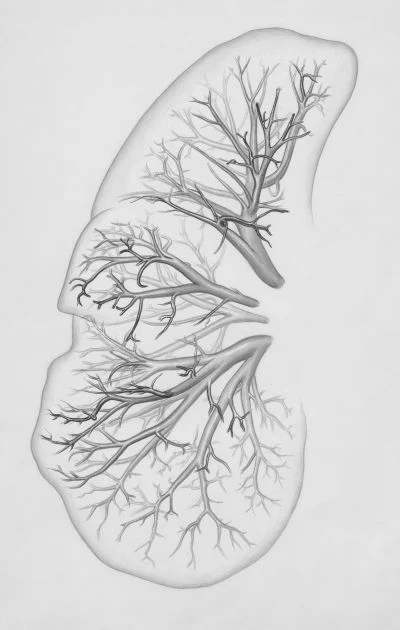
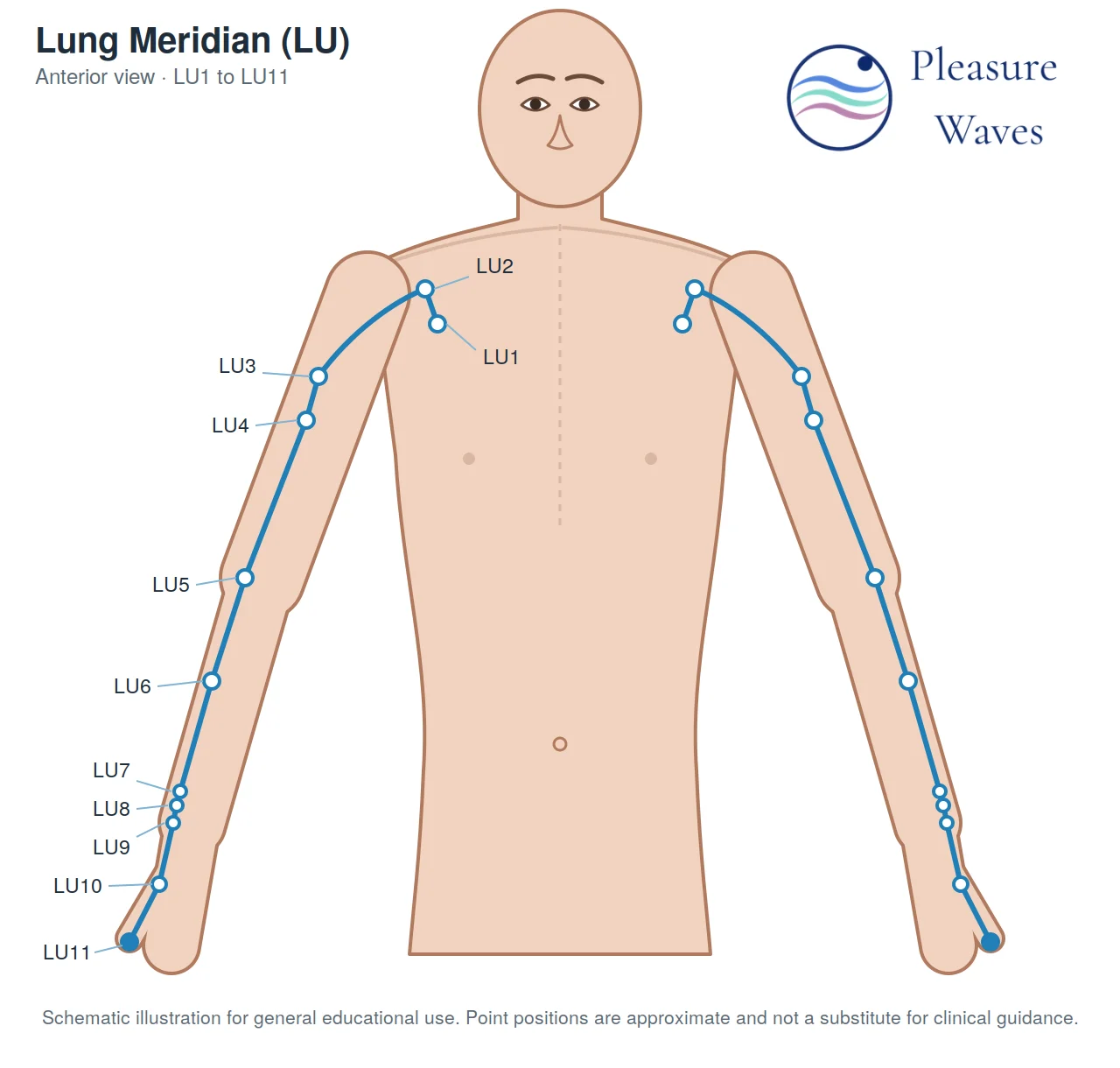
In Qi Gong we have many practices for training breathing and strengthening the Metal Element. The Metal Element is the ruler of the lungs and the skin. In TCM toning the Lung Meridian alongside the lungs themselves is considered key to developing deep breathing. The lung meridiam arises just below the collarbone and travels down the inside of the arm to the thumb.
Some of my favourite Qi Gong practices are Wave Breathing, Buddha Holds Up the Earth and Flying. (See the connected YouTube video)
My experience with engaging with these practices regularly is that I am breathing better throughout the day. The muscles around my ribs and lower back have become more toned and my sternum (breastbone) has become more flexible.
Slowing the breath, particularly lengthening the out-breath, is one way to tell the body it is safe to settle. This activates the parasympathetic, “rest and digest”, nervous system.
A less stressed life contributes to “adding life to your years” as Lee Holden advocates.
For more detail read my blog on Nervous system Regulation here.
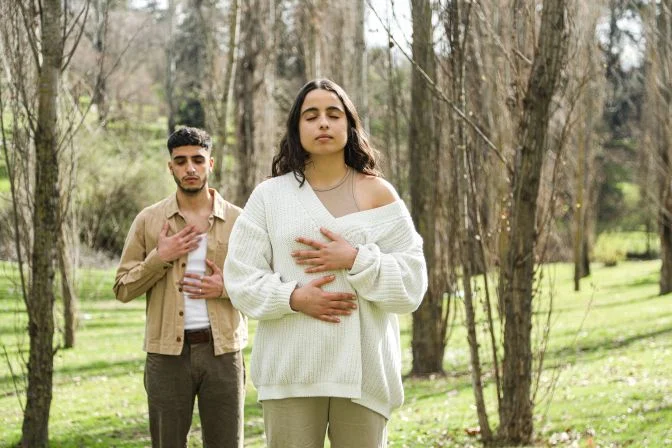
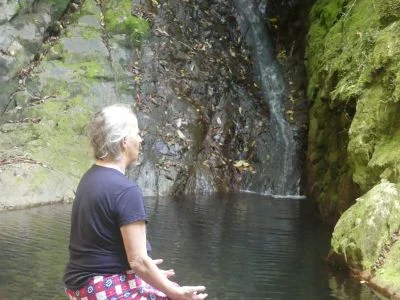
I see breaking the poor breathing habits that I adopted from my surroundings as a radical act! I am an Australian woman who unapologetically breathes deeply throughout the day – taking in the abundance of life with each in breath and releasing old, stagnant energy with each out breath.
Are you ready to be radical too?