Qi Gong (pronounced ‘chee gung’) is an ancient Chinese practice that combines gentle movement, conscious breath, and focused awareness to move energy through the body. The name itself is simple: Qi means energy, and Gong means work. Together, they describe a practice of cultivating and balancing your own vital energy.
From the outside, Qi Gong can look a little like Tai Chi — and the two share the same roots. The key difference is that Qi Gong sequences tend to be shorter and simpler, making them accessible from your very first class. There are no forms to memorise, no coordination tests, and no keeping up. You simply follow the guidance and notice what happens in your body.
At Pleasure Waves, classes are grounded in Holden QiGong — a tradition taught by Lee Holden that draws on classical Chinese medicine, Five Element Theory, and the meridian system. Helen explains the relationship between each movement and the energy pathways it supports, so you leave with more than a relaxed body. You leave with a real understanding of how the practice is working.
You are looking for movement that works with your body, not against it. Perhaps yoga has left you with sore knees or wrists. Perhaps gym classes feel too intense, too loud, or simply not designed for where you are right now. Perhaps you have been meaning to do something consistent for months, but everything you have tried has either hurt or bored you after a few weeks.
Qi Gong is different. It is genuinely gentle — suitable for people with joint sensitivities, past injuries, low fitness, or simply a nervous system that does not enjoy high-intensity environments. And because it works with the body’s energy system, the effects go beyond the physical. Most people notice reduced anxiety, better sleep, and a calmer baseline within a few weeks of regular practice.
This work is particularly suited to:
Most students notice something in the very first class — a loosening in the chest, a quieting of the mental chatter, a feeling of having arrived somewhere they did not know they were missing. With regular practice, those changes deepen and carry into the rest of the week.
Improved balance and coordination — particularly valuable for people over 60
Reduced joint stiffness and improved mobility
Gentle strengthening of core and postural muscles
Better breathing patterns and lung capacity
Increased energy levels throughout the day
Regulation of the nervous system — moving out of low-level fight-or-flight
Reduced anxiety and mental reactivity
Deeper, more restorative sleep
Greater capacity to feel present and grounded
Access to a sense of ease and even pleasure in the body

Increased awareness of the body's energy system and meridians
Clearing of stagnant or blocked energy
A felt sense of flow, aliveness, and internal coherence
Stronger foundation for deeper somatic or coaching work
Every class runs for one hour and follows a consistent, comfortable structure.
You will know what to expect each time — and the familiarity itself becomes part of the practice.
Gentle joint-opening movements to prepare the body and settle the mind.
The main Qi Gong sequences, guided step by step with explanation of the energy pathways each movement supports.
A short guided practice to integrate the session and return awareness to the breath.
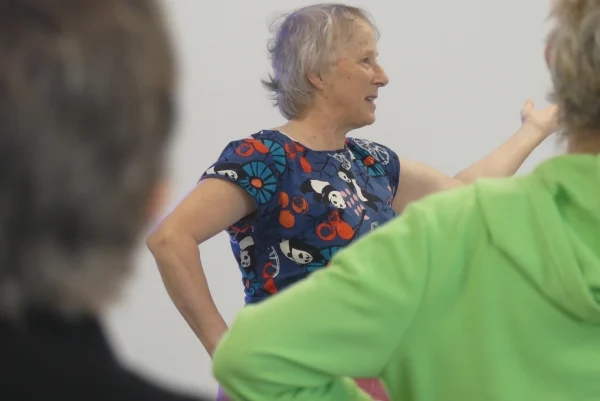
Helen’s instruction is clear, unhurried, and welcoming. She explains not just what to do, but why connecting each movement to the meridian system and Five Element principles so students develop genuine understanding over time, not just imitation.
Two sessions per week — timed to suit multiple time zones
Join from home — no commute, no equipment, no gym bag
Class times shown on the booking platform
Suitable for students worldwide
Wednesday mornings during school terms
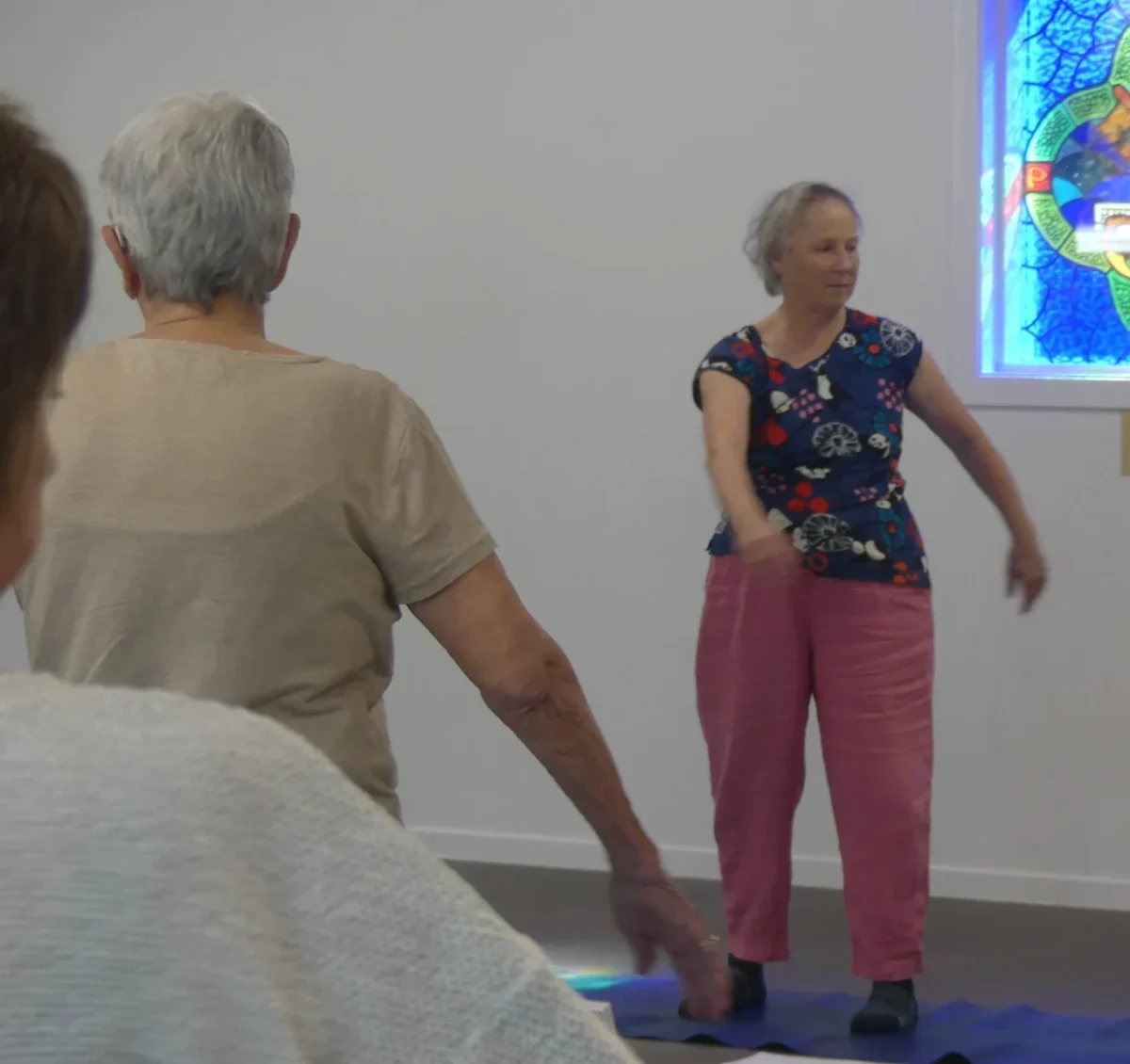
Held in a church hall setting — warm, community-oriented, easy to find
Contact Helen at for more information
Venue details given on booking
Personalised sessions available on request
Tailored to your level, goals, and schedule
Contact Helen to enquire
A single class is the simplest way to begin.
There is no package to commit to upfront, no obligation beyond the hour, and no prior experience needed.
If it feels right, you will know.
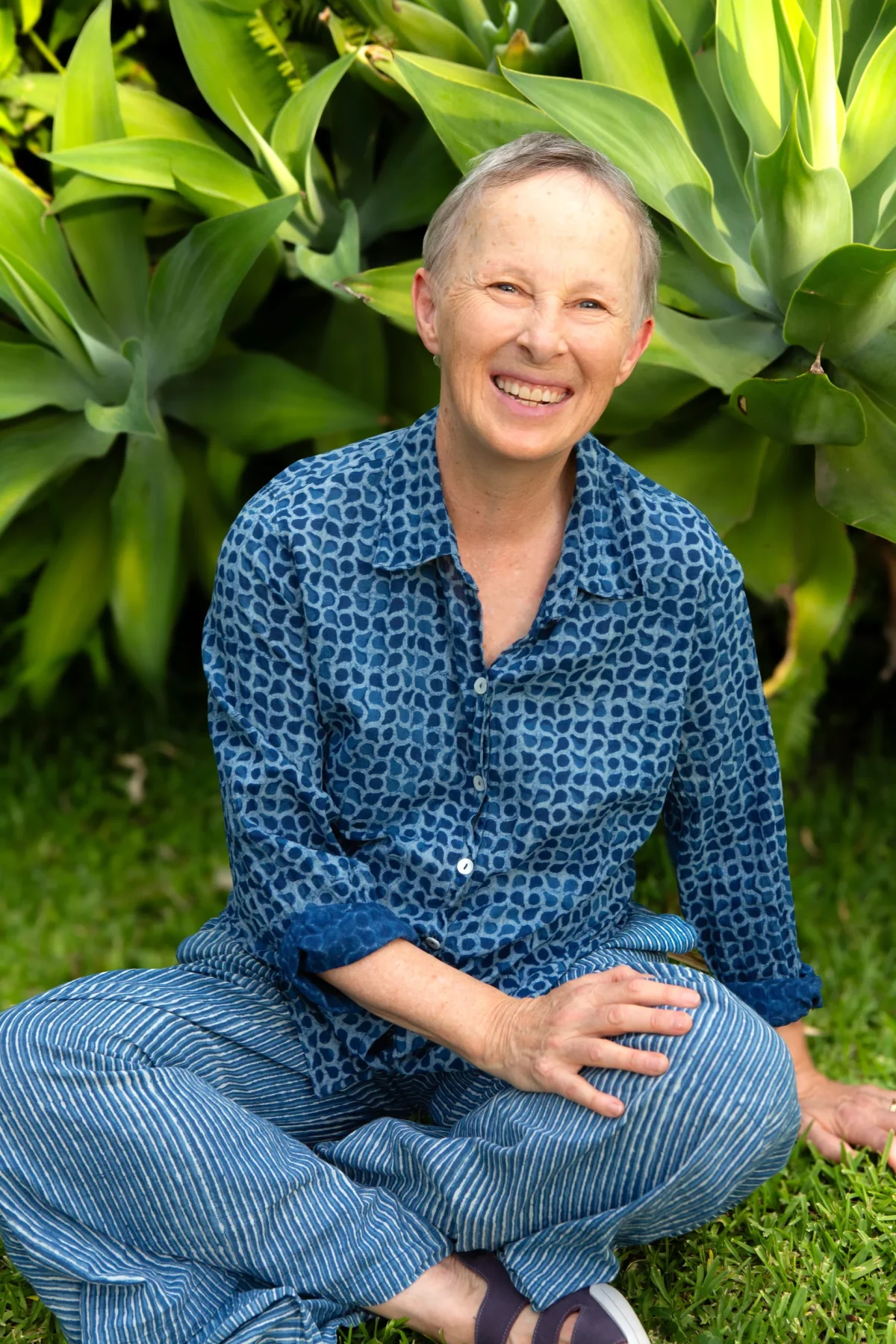
Helen Rowlands is a certified Holden QiGong Teacher (Tier 1, 200 hours, 2024) currently progressing through her Tier 2 studies, approaching 500 hours of formal training. She has created a daily personal Qi Gong practice over ten years — not as a discipline, but because of how consistently it changes how she feels and functions in the world.
Helen discovered Qi Gong at a point in her life when the gym and yoga were causing more harm than good. From her first class, the difference was clear. Since then she has trained formally with Lee Holden — one of the world’s most respected Qi Gong teachers — and brought that depth of understanding into every class she teaches.
What students consistently notice is clarity of instruction. Helen explains the connection between each movement and the body’s energy system, so students leave each class understanding more about themselves than when they arrived. Her teaching is warm, encouraging, and completely free of judgement.
Credentials
Many of Helen’s Qi Gong students find that regular movement practice naturally opens a curiosity about the deeper somatic and energetic work. If you are noticing patterns in your body or your relationships that movement alone is not shifting, Pleasure Waves Rapid Coherence Somatic Coaching might be the next step.
The complementary Curiosity Call is a 30-minute conversation with no obligation — the simplest way to find out whether the coaching work is right for you.
Qi Gong is pronounced ‘chee gung’. The ‘Q’ in Chinese pinyin represents a ‘ch’ sound. Once you know that, everything else follows. You will also see it written as ‘Qigong’ or ‘Chi Gung’ — they all refer to the same practice.
Both practices share the same roots in Chinese medicine and both involve slow, flowing movement. The main difference is complexity. Tai Chi involves long, choreographed forms that can take months to learn. Qi Gong movements are generally shorter and simpler, making them accessible from the very first class. Many people who find Tai Chi intimidating discover that Qi Gong is exactly what they were looking for.
None at all. Qi Gong is genuinely accessible to beginners — including people who have given up on yoga, found gym classes too demanding, or are returning to movement after illness or injury. The practice is designed to meet your body where it is, not where you think it should be.
Nothing special. A clear space large enough to move your arms comfortably, bare feet or soft shoes, and comfortable clothing. You will need a device with a screen (phone, tablet, or computer) and a camera. Many students simply practise in their lounge room.
A single online class is $15 AUD / $11 USD, booked directly through the Acuity scheduling link. After attending a few classes, a multi-class package (11 classes for the price of 10) becomes available.
Even one class a week produces noticeable benefits over time. Two sessions per week — which is what Helen offers online — allows for a more consistent shift in how the body feels day-to-day. A short daily personal practice (10–20 minutes) is also something many students develop naturally once they have learned the basics. Helen can guide you on how to build a home practice.
Yes — this is one of the reasons many students come to Qi Gong in the first place. The movements are low-impact and can be adapted to your body’s current range of motion. Helen’s instruction includes modifications where needed, and students are always encouraged to work within their own comfortable range. If you have a specific condition, please email Helen before your first class so she can offer any relevant guidance.