“Men are born soft and supple; dead, they are stiff and hard.
Plants are born tender and pliant; dead they are brittle and dry.”
Excerpt from the Tao Te Ching chapter 76,
translated by Stephen Mitchell
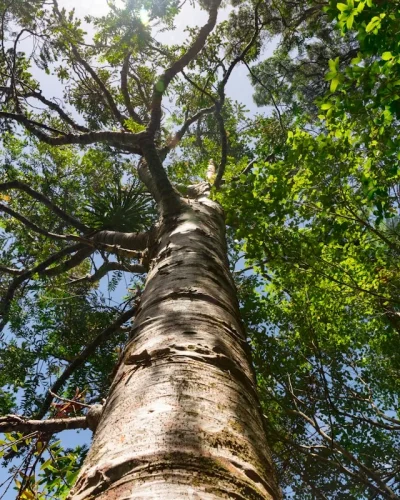
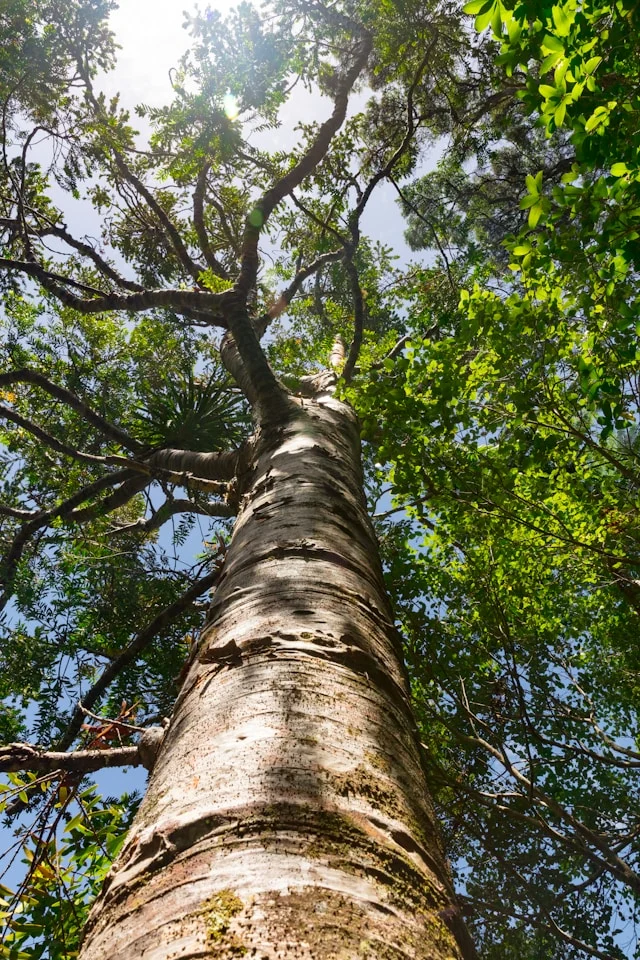
Spring is the season of new growth, and in Qi Gong it belongs to the Wood Element. Think of a tree in early spring: rooted deep, reaching upward, bending without breaking. That’s the quality we’re cultivating when we work with the Liver Qi.
What is the Wood Element?
In Traditional Chinese Medicine (TCM), everything in nature is described through Five Elements: Wood, Fire, Earth, Metal and Water. Wood is the Element of spring, growth, flexibility and vision. It’s the energy that pushes up through the soil, reaches for the light and keeps moving forward. Its partner organs are the Liver and Gall Bladder.
What is the Five Element Generating Cycle?
The Five Element Generating Cycle describes how each Element nurtures the next in a continuous loop, like a parent and child. Water feeds Wood, Wood fuels Fire, Fire creates Earth, Earth bears Metal, and Metal gathers into Water.
Wood’s parent is Water, which is the Kidney Meridian we explored in my previous blog. Think of how a tree needs water at its roots to grow. When our reserves are nourished, the Liver has what it needs to keep Qi moving smoothly. In turn, Wood is the parent of Fire, so when Wood flows well, it helps feed the joy and warmth of the Heart. In Pleasure Waves Qi Gong, we use this cycle to structure our classes.
The Liver in Traditional Chinese Medicine
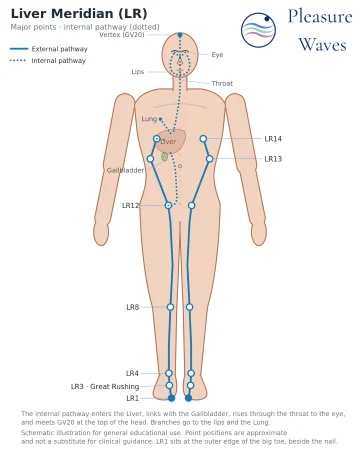
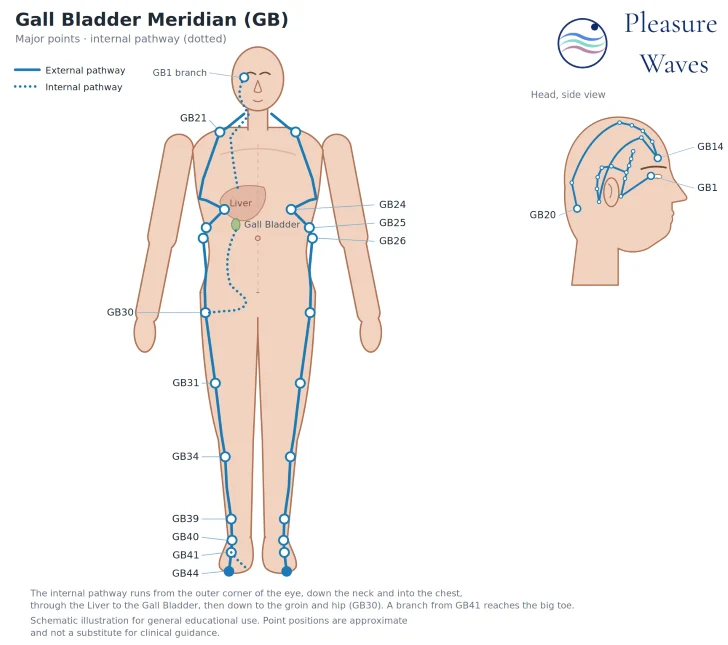
In Traditional Chinese Medicine (TCM), the Liver is the organ responsible for the smooth flow of Qi throughout the body. It also stores blood and governs the tendons and eyes. The Liver Meridian begins at the big toe, travels up the inner leg, circles the genitals, passes through the ribcage and flanks. its internal pathway continues to the eyes and top of the head. Its paired Yang Meridian, the Gall Bladder Meridian, runs along the sides of the body, which is why side-body movements are so helpful here. Each of these Meridians is bilateral, as seen in the graphics below.
When Liver Qi Gets Stuck

The most common imbalance is Liver Qi stagnation. It can show up as irritability, frustration, mood swings, or just feeling “stuck.” Some people notice frequent sighing, a lump-in-the-throat sensation, or digestive upset when stressed. A hallmark of Liver Qi stagnation is that symptoms fluctuate with stress and emotions, and often ease with movement.
The Liver is linked to anger and frustration, the eyes, the tendons, the colour green, the sour flavour, and the season of spring. Many practitioners say symptoms flare in spring or during stressful times, and that the Liver is most active between 1 and 3 AM, so waking in that window is often attributed to Liver imbalance.
Begin Your Liver Qi Gong Practice
Try these liver qi practices demonstrated in the accompanying Pleasure Waves YouTube video.
Side Stretches open the flanks, where the Liver and Gall Bladder meridians travel. Reach up and over and imagine space opening between each rib.
Patting from Armpit to Hips is a gentle way to clear congestion. Use relaxed hands and pat down the sides of the body, inviting stuck energy to move along.
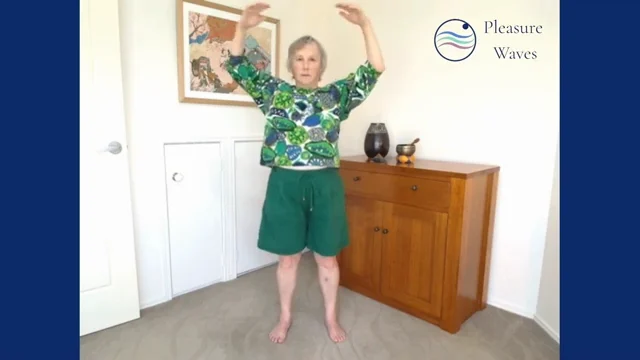
Lower Embracing a Tree builds a steady, rooted stance. Soften your knees, round your arms as if hugging a trunk, and let your shoulders drop. It’s a lovely practice for settling frustration.
Tree Sways in the Wind brings it all together. Let your whole body sway gently, flexible and unforced, like branches in a breeze. Notice how stiffness gives way to flow.
A Few Gentle Caveats
The TCM “Liver” is a functional system, not just the anatomical organ, so these patterns don’t map directly onto Western liver disease. Symptoms such as jaundice, persistent right-sided abdominal pain, or unexplained fatigue can reflect real liver conditions and are worth checking with a doctor. If you’re interested in TCM treatment, a licensed practitioner can identify your pattern through your tongue, pulse, and full history.